Why Is Your Front Door the Key to Better Family Time?
How many times have you rushed to check if the back door was locked while juggling dinner, homework, and a crying toddler? We’ve all been there—stressed, stretched thin, and wishing for just one less thing to worry about. What if a simple sensor on your door or window could give you back precious moments of calm? This isn’t about high-tech overload. It’s about smart, quiet help that lets you focus on what truly matters—being present with your family. These small tools don’t shout for attention. They whisper reassurance. And in the chaos of daily life, that whisper can make all the difference.
The Hidden Stress of Modern Family Life
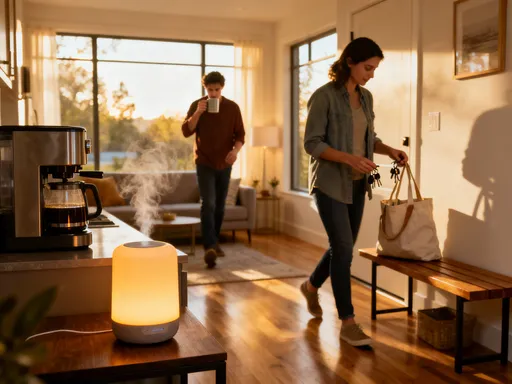
Let’s be honest—being a mom today is like spinning plates on sticks. You’re managing school schedules, meal prep, laundry that never ends, and a thousand little decisions before 9 a.m. And somewhere in the middle of it all, there’s that quiet, constant hum of worry. Did I lock the garage? Did the kids shut the front door when they came home? Is the sliding glass door still cracked open after the dog ran through? These aren’t big emergencies. They’re tiny, nagging doubts that live in the back of your mind, stealing your focus and draining your energy.
That kind of low-level stress is sneaky. It doesn’t show up like a fever or a flat tire—something you can fix and move on from. Instead, it lingers. It makes you snap at your partner when they leave their shoes in the hallway. It keeps you up at night, replaying the day. And worst of all, it pulls you out of the moments you actually want to be in—your daughter’s silly joke at dinner, your son’s excited story about recess, that rare quiet moment when the house is calm and everyone is just… together.
I remember one evening, I was trying to help my youngest with her math homework while the older two argued over the TV remote. My phone buzzed—just a text from a friend—but my first thought wasn’t “Who is it?” It was “Did I lock the back door after taking out the trash?” I got up, walked through the house, checked every lock, came back, and realized I’d lost the thread of the math problem completely. My daughter looked disappointed. That moment sticks with me because it wasn’t about the door. It was about how a tiny worry stole a real connection. And I know I’m not alone in this.
That’s the thing about modern family life—we’re not just busy. We’re mentally overloaded. We’re trying to be everywhere at once, and every unanswered question adds another weight to our shoulders. But what if we could offload just one of those worries? Not with more effort, not with another checklist, but with something that works quietly in the background? That’s where technology, when used the right way, can be a true ally.
How Door and Window Sensors Work—Without the Tech Jargon
Now, when I say “technology,” I know what you might be thinking—complicated apps, confusing instructions, another gadget that needs charging. But door and window sensors? They’re simpler than you’d believe. Think of them like little peace-of-mind helpers tucked into your home. No wires, no drilling, no tech degree required. Most of them stick on with adhesive—like a strong sticker. One piece goes on the door or window frame, the other on the moving part. When the door opens, the connection breaks, and you get a quiet alert on your phone.
It’s not magic. It’s just smart design. And the best part? You don’t have to do anything. You don’t have to log in, check a dashboard, or remember to turn it on. It just works. If your teenager gets home from school and forgets to shut the front door behind them, you’ll know. If the wind blows your kitchen window open during a storm, your phone will tell you—so you can close it before the rain soaks the floor.
And no, this isn’t about watching your kids like a detective. That’s not the goal. The goal is knowing, not monitoring. There’s a big difference. Knowing means you don’t have to ask, “Did you lock up?” for the tenth time. Knowing means you can trust the house to look out for itself a little, so you can look out for your family. I’ve had friends worry these sensors feel intrusive, like Big Brother at home. But in reality, it’s the opposite. It’s like having a co-parent who whispers, “Hey, the basement door’s open,” instead of letting you discover it at midnight.
Some systems even let you set up routines. For example, if the back door opens after 9 p.m., it can send you a more urgent alert. Or if all the windows are closed and doors locked, your living room lights can dim automatically—your home saying, “We’re all set for bed.” These aren’t flashy features. They’re quiet helpers that make your life flow a little easier.
Turning Worry into Quality Time
Here’s the truth no one talks about: peace of mind is a form of self-care. When you’re not carrying that mental load of “Did I…?” or “What if…?”, you have more room to breathe. And when you breathe, you show up differently. You’re less tense. You’re more patient. You’re more present. And that changes everything.
Imagine this: it’s bedtime. You’re reading a story to your kids, and instead of glancing at the clock or wondering if the garage is locked, you’re fully in the moment. You’re laughing at the funny voices, noticing how your child’s eyelids are getting heavy, savoring the warmth of their hand in yours. That’s what these little sensors give you—not just security, but space. Space to be where you want to be, mentally and emotionally.
I started using a simple sensor on our front door after a neighbor’s house was broken into. At first, I thought it was overkill. But within a week, I realized how often I’d walk through the house at night, checking locks. Now, I get a soft chime on my phone when the door is secured. That’s it. No walking. No double-checking. And that small change has freed up minutes—real, measurable minutes—every single day. Minutes I now spend stretching on the living room floor, journaling, or just sitting with a cup of tea while the house settles.
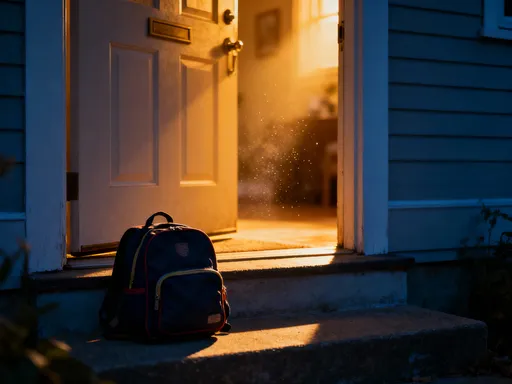
And it’s not just about safety. It’s about trust. Trusting that your home is looking out for you, so you can look out for your people. One mom I know set up alerts for when her kids come home from school. She doesn’t hover. She doesn’t call. But she gets a little “ping” that says, “They’re safe.” And that one alert? It’s given her the calm to finish her work calls without distraction, to start dinner without anxiety, to greet her kids with a real smile instead of a stressed “Did you lock the door?”
That’s the shift. It’s not about adding more to your plate. It’s about removing what weighs you down. And when you do that, you create room for what really matters—laughter at the dinner table, deeper conversations, quiet moments of connection that used to get lost in the noise.
Helping Kids Grow with Responsibility and Confidence
One of the most unexpected benefits I’ve seen since using these sensors is how they’ve helped my kids grow. We often think of parenting as teaching through words—lectures about responsibility, reminders to clean up, consequences for forgetting. But sometimes, the best teaching happens through quiet moments of awareness.
Take my 10-year-old. She’s responsible, but like any kid, she forgets things. One rainy afternoon, I got an alert that the kitchen window was open. Instead of rushing to close it myself, I said, “Hey, I just got a little note from the house—looks like the kitchen window’s still open. Want to go check it with me?” She ran ahead, closed it, and said, “Oh! I forgot when I was feeding the cat.” No scolding. No frustration. Just a shared moment of noticing and fixing.
That’s the power of these sensors—they turn small mistakes into gentle teaching opportunities. Over time, my kids have started paying more attention. They’ll say, “I’m going to shut the door behind me—I don’t want Mom to get an alert!” And I love that. Not because I want them to avoid the alert, but because they’re learning awareness. They’re learning that their actions matter, not because they’ll get in trouble, but because they’re part of a team.
And that builds confidence. When kids feel trusted, they rise to the occasion. Instead of feeling watched, they feel guided. One friend uses a sensor on her teenager’s bedroom window—yes, because she worries about safety, but also because it’s a way to start conversations. “I noticed your window was open late—was it warm in your room?” That opens the door to talking about comfort, privacy, and boundaries, without making it feel like a interrogation.
These tools don’t replace parenting. They support it. They give you a new way to connect, to teach, to build habits that last. And in a world where kids are growing up fast, having small, consistent ways to guide them matters more than ever.
Building Family Routines That Actually Stick
We all have good intentions. “We’ll start a bedtime routine.” “We’ll clean up together after dinner.” But how many of those plans fade by Wednesday? The problem isn’t that we don’t care. It’s that routines fail when they rely on memory alone. And when you’re tired, memory is the first thing to go.
That’s where sensors can help create habits that actually stick. Think of them as gentle nudges from your home. Every night, my family has a “wind-down routine.” Lights dim, screens go off, and I check the app to see if all doors and windows are closed. It’s become a ritual—like brushing teeth or saying goodnight. Sometimes, my kids even beat me to it. “Mom, did you check the garage door?” they’ll ask. And I smile, because they’re not just asking—they’re caring.
These small moments build something bigger: trust. Trust that we’re all doing our part. Trust that the house is safe. Trust that we can relax. One family I know uses a “goodnight check” as a bonding moment. They walk through the house together, closing windows, locking doors, saying goodnight to each room. It takes five minutes. But in that time, they’re not just securing the house—they’re connecting.
And the beauty is, the technology fades into the background. You don’t think about the sensors. You think about the routine, the togetherness, the calm. That’s when it works best—not when you’re obsessed with the tech, but when you forget it’s there because life just feels smoother.
Routines like this don’t just make your home safer. They make it more peaceful. They teach kids that safety is a shared job. And they give you, as a parent, the rare gift of consistency—something that’s hard to find in the chaos of daily life.
Choosing the Right System for Your Home Life
Now, you might be wondering—where do you even start? There are so many options out there, and it’s easy to feel overwhelmed. But here’s the good news: you don’t need the most expensive or complicated system. You just need one that fits your life.
First, look for easy installation. The best systems don’t require tools or an electrician. They stick on, sync with your phone in minutes, and work with your existing Wi-Fi. No stress. No weekend project. Just peace of mind, fast.
Second, choose reliability. You want alerts you can trust—not too many, not too few. Some systems let you customize when you get notifications. For example, you might want an alert if a door opens at 2 a.m., but not when your kids come home from school at 3:30. That kind of control keeps the system helpful, not annoying.
Third, privacy matters. Make sure the company has strong security—end-to-end encryption, no data sharing. Your home should feel safe, not just from break-ins, but from digital risks too. Read reviews. Ask friends. Choose a brand that’s been around, with real customer support.
And finally, pick something that works with what you already have. Many sensors connect to voice assistants like Alexa or Google Assistant. That means you can say, “Hey Google, is the front door locked?” and get an answer—no phone needed. It’s small, but it makes life easier.
The best system is the one you forget about—because it just works. It’s not flashy. It doesn’t need constant attention. It’s like a good kitchen knife: reliable, simple, always there when you need it.
Reclaiming Calm, One Small Alert at a Time
At the end of the day, this isn’t really about technology. It’s about time. It’s about attention. It’s about the quiet moments that make up a life. Because the truth is, we don’t need more hours in the day. We need more presence in the hours we have.
These tiny sensors don’t solve everything. They won’t help with picky eaters or teenage mood swings. But they do one thing beautifully: they remove a layer of worry. And in doing so, they make space—for listening, for laughing, for being together without distraction.
I used to think smart home tech was for people with perfect houses and endless free time. But now I see it differently. It’s for real homes. For busy moms. For families who love each other but get tired, distracted, overwhelmed. It’s for anyone who wants to feel a little more in control, a little more at ease, a little more connected.
So if you’ve been putting this off, thinking it’s too complicated or not for you, I get it. But what if it’s simpler than you think? What if one small change—a sensor on a door, a quiet alert on your phone—could give you back something priceless? Not just security, but calm. Not just convenience, but connection.
Because when your home quietly looks out for you, you can finally look up—and see your family, right in front of you. And that, more than anything, is what matters.