From Awkward Clips to Unforgettable Stories: How Editing Together Made Us Better Friends
You know those videos we all shoot on our phones—shaky, messy, full of laughs we’ll never get back? I used to just scroll past them. But when my friend and I started editing one weekend, something changed. It wasn’t about perfect transitions or fancy effects. It was about seeing our memories come alive, sharing the process, and realizing how small moments, when stitched together, tell the story of us. That’s when video editing became more than a hobby—it became a habit, a connection, a way we stay close. What began as a simple act of trimming a clip turned into something deeper: a quiet ritual that softened the edges of busy lives and reminded us how much we truly enjoy each other’s company.
The Video That Almost Got Deleted
It was buried in my camera roll—over two years old, filmed on a rainy Sunday when we’d decided to turn my living room into a dance floor. The lighting was terrible, the audio crackled with background noise, and we were both off-beat, giggling so hard we could barely stand. I almost deleted it while cleaning up space on my phone. You know how it goes—too blurry, too long, not ‘shareable’ by any social media standard. But something made me pause. Maybe it was the way she threw her head back mid-laugh, or how I kept mouthing, “I can’t do this,” while still trying to follow the choreography. It wasn’t polished, but it was real.
So I sent it to her with a simple message: “Remember this disaster?” She replied within seconds: “I remember I wore socks and still slipped. Let’s fix it.” That’s how it started—not with a plan, not with ambition, but with a shared chuckle and a tiny spark of curiosity. We opened a video editing app, just to see what would happen if we slowed the clip, added a filter, maybe cut out the worst stumble. We didn’t aim for perfection. We just wanted to keep the feeling alive. And in that moment, something shifted. We weren’t just cleaning up a video—we were honoring a memory. That rainy afternoon wasn’t just a failed dance attempt; it was proof that we still take risks, still laugh at ourselves, still show up for fun even when life feels heavy.
By the end of the night, we had a 45-second edit: soft lighting, a nostalgic indie song in the background, and the final frame freezing on our synchronized (and completely wrong) move. It wasn’t winning any awards, but it felt like us. And that was enough. More than enough.
Finding the Right Tool (Without Feeling Lost)
At first, we tried a few different apps—some came preloaded, others we downloaded after reading reviews. But so many of them felt like they were built for filmmakers, not for two women in their 40s who just wanted to remember how much fun we had baking a lopsided cake. One app had a timeline that looked like a spreadsheet. Another asked us to choose between ‘H.264’ and ‘ProRes’—we didn’t even know what those meant. We’d tap around, get frustrated, and close the app, telling ourselves, “Maybe next time.”
Then we found one that was different. It didn’t open with a maze of menus. Instead, it greeted us with a big ‘+’ button and a simple choice: import clips or start a new project. The interface was clean, almost friendly. No jargon. No pressure. We could drag clips into order like moving photos on a fridge. There were one-tap filters that actually looked good—none of that over-saturated orange nonsense. The app even suggested background music based on the mood of the video: upbeat for dance clips, soft piano for quiet moments. And the best part? It saved automatically. No more losing hours of work because we forgot to hit ‘save.’
But the real game-changer was how it made us feel. We didn’t need to be experts. We didn’t need to watch tutorials or take a course. We could just try. Tap a filter. See how it looked. Undo if we didn’t like it. The tool didn’t make us professionals, but it gave us confidence. It whispered, “You’ve got this,” instead of shouting, “You’re doing it wrong.” And that made all the difference. For the first time, technology didn’t feel like a barrier—it felt like a bridge.
Editing as a Shared Language
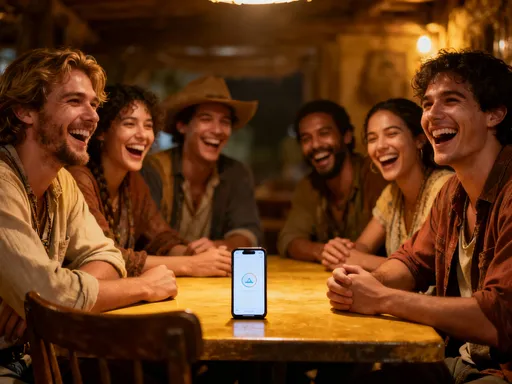
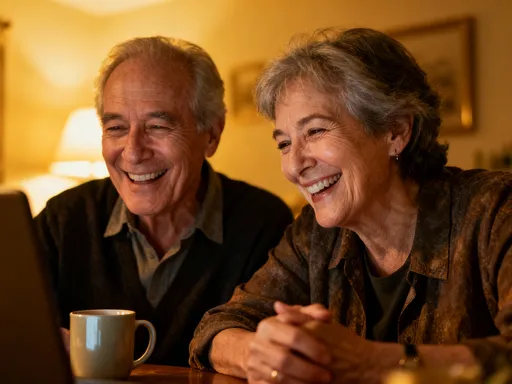
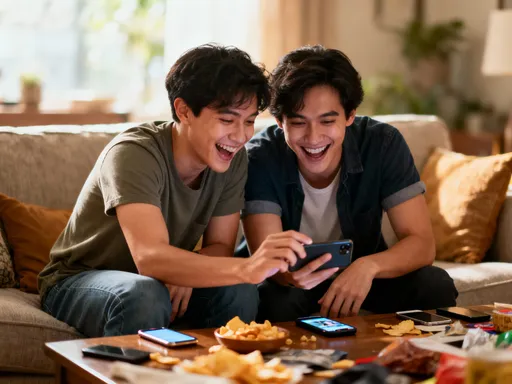
We started meeting every other Sunday—no strict schedule, just a text: “Free this weekend? Bring snacks.” We’d settle on the couch, phones in hand, and pull up whatever clips we’d saved. Sometimes it was a quick 10-second video of her cat jumping onto the counter. Other times, it was a long clip from a weekend trip—wind in our hair, music too loud, us singing off-key. We’d laugh, we’d groan, we’d debate: “Should we cut here?” “No, keep that part—that’s when you said, ‘I’m not falling, I’m dramatically collapsing.’”
At first, we argued. I wanted to cut out my awkward wave to a neighbor. She insisted on keeping it. “That’s how you always say hi,” she said. “It’s part of your charm.” I rolled my eyes, but I left it in. Slowly, I realized these weren’t just editing decisions—they were conversations about how we saw each other. The way she chose to highlight my laugh in slow motion wasn’t just about the video. It was a quiet message: I see you. I love that part of you. When I picked a soft acoustic song for a clip of us walking through an autumn park, it wasn’t just about matching the mood. It was my way of saying, “This moment felt peaceful. I want to remember it that way.”
Editing became our shared language—a way to express care without needing to say it out loud. We didn’t always agree on the perfect cut or the right music, but we learned to listen. We paused, we reconsidered, we compromised. And in doing so, we deepened our friendship. The video wasn’t the goal. The connection was.
How Small Clicks Built a Lasting Habit
Let’s be honest—it didn’t happen overnight. There were weeks when one of us was swamped with work, when the kids needed rides, when the laundry pile reached record heights. We missed a few Sundays. Some videos stayed half-edited, tucked away in a folder labeled “To Finish.” But because the process never felt like a chore, we always came back. It wasn’t about productivity. It wasn’t about posting online. It was about us.
The app helped, too. It sent gentle notifications: “You have 3 clips waiting.” Not pushy. Not guilt-inducing. Just a soft nudge, like a friend tapping your shoulder. And when we finally opened it, we’d often find that finishing a video took only 10 minutes. Maybe we’d add a title card with a silly name, like “The Great Pancake Fire of 2023,” or sync a clip to a song we both loved. Those small wins—smoothing a jump cut, getting the timing of a joke just right—felt surprisingly satisfying.
Over time, something shifted in how we moved through life. I started filming my morning walks, not because I thought they’d go viral, but because I knew they might become part of a story. She began recording her baking experiments, even the ones that ended in smoke alarms. We became more present. We noticed details—the way sunlight hit the kitchen counter at 8 a.m., the sound of rain on the roof during a phone call, the way we both say “Oh no no no” when something goes slightly wrong. These weren’t just moments anymore. They were potential clips. And that changed everything.
More Than Just Videos—We Were Building Something Deeper
The albums started piling up. We created folders: “Beach Day 2023,” “Kitchen Dance Fail,” “Our Coffee Rant Series,” “Things We Laughed At But Shouldn’t Have.” Each one held more than footage. They held trust. Sharing raw clips—unedited, unfiltered, full of stumbles and pauses—meant letting each other see the messy parts. There’s vulnerability in that. It’s one thing to say, “I love our friendship.” It’s another to hand over a video of yourself tripping over a rug and saying, “Don’t use this,” while secretly hoping they do.
One day, I watched an edit she made of a weekend we spent gardening. I wasn’t even the focus of most clips—just in the background, pulling weeds, wiping my forehead, humming to myself. But she’d framed it so gently. She’d added a voiceover of me saying, “I forgot how much I love dirt on my hands,” and paired it with a soft folk song. Watching it, I felt seen in a way I hadn’t expected. It wasn’t about looking perfect. It was about being known. She didn’t edit out my messy braid or the dirt on my jeans. She highlighted them. And in doing so, she told me, without words, that those parts of me mattered.
These videos weren’t just preserving memories. They were shaping them. We weren’t passive recorders of our lives—we were active storytellers. And the story we were telling, over and over, was this: We matter to each other. Our time together is valuable. Our laughter, even when it’s awkward, is worth keeping.
The Ripple Effect on Our Daily Lives
The habit didn’t stay confined to our editing sessions. It spilled into the rest of our lives. I started keeping my phone handy during school pickup, just in case my daughter said something funny. She began recording her morning routine—not to post, but because she realized how much she enjoyed her quiet time with coffee and the radio. We became more intentional. More aware. More grateful.
Even our texts changed. Instead of just saying, “That was funny,” we’d say, “Wait—let me record this.” We’d send each other 15-second clips of a squirrel stealing birdseed, a toddler’s dramatic meltdown over socks, or a sunset that looked like it was painted. And when we rewatched them later, we’d laugh all over again. The joy wasn’t fleeting. It was saved. It was shareable. It was ours.
And when life got hard—when one of us had a rough week, when anxiety crept in, when the world felt too loud—we’d pull up an old video. Not to escape, but to remember. We’d watch ourselves dancing in the rain, baking a cake that collapsed, arguing over which movie to watch. And without fail, we’d feel lighter. Because those videos were proof: joy doesn’t have to be perfect to be real. Connection doesn’t require grand gestures. Sometimes, all it takes is a shaky clip and a friend who says, “Let’s keep this one.”
Why Anyone Can Start—And Why You Should
If you’ve ever thought, “I’m not creative enough,” or “I don’t have time,” or “My videos are too messy,” I get it. I thought all those things too. But here’s what I’ve learned: you don’t need fancy gear. You don’t need to be good. You don’t need millions of followers or a perfectly lit home. All you need is a phone, a free app, and someone you care about.
Start small. Pick one clip—any clip. Maybe it’s your child laughing at a dog, or your partner burning toast, or you trying (and failing) to do a yoga pose. Don’t worry about the blur. Don’t stress over the background noise. Keep the stumble. Let it be imperfect. Then, invite someone in. Share the clip. Say, “Want to make something out of this?” You don’t have to meet in person. You can send it over text, work on it together over a video call, or take turns editing.
Because the magic isn’t in the polish. It’s in the sharing. It’s in the “remember when?” moments that bind us. It’s in the quiet realization that someone else cherishes the same silly things you do. Video editing, at its heart, isn’t about technology. It’s about connection. It’s about saying, without words, “I was there. I saw it. I remember. And I’m glad I shared it with you.”
So go ahead. Open your camera roll. Scroll past the perfect selfies and the staged photos. Look for the messy ones. The blurry ones. The ones where everyone’s laughing too hard to pose. Pick one. Try editing it. Not for views. Not for likes. Not for anyone else. Do it for you. Do it for us. Because the stories that matter most aren’t the ones that look perfect—they’re the ones that feel true.