Beyond texting: How smart tools quietly upgraded my daily connections
Remember when messaging meant typing thumbs sore? I did—until small tech shifts made big waves in how I stay close to people. No flashy gadgets, just smarter, quieter ways to share life’s moments. These aren’t just apps or features—they’ve become part of my rhythm, helping me listen better, respond faster, and care more, even when I’m busy. Let’s talk about how tech, when used right, doesn’t distract—it deepens what matters.
The Noise Between Us
There was a time when I felt more connected than ever—yet somehow, further from the people I cared about. I’d wake up to a full inbox, missed calls from my sister, and three family group chats buzzing with messages I hadn’t read. I’d feel a pang of guilt every time I saw my mom’s name pop up at the bottom of the screen: “Just checking in.” I wanted to respond, but the moment passed. Then another day passed. Then another. It wasn’t that I didn’t care—I cared deeply. It was that the tools I used to stay in touch were making it harder, not easier.
Texting used to feel like a race. Fast replies meant you were paying attention. Delays were interpreted as indifference. But life isn’t a race, and I wasn’t living in a chat box. I was juggling school drop-offs, work deadlines, grocery runs, and my own need to breathe. The constant ping of notifications pulled me in ten directions, yet none of them felt truly meaningful. I began to notice how much emotional energy I was spending—not on the conversations themselves, but on the friction around them. Misunderstandings over tone. The effort of typing long messages on a tiny keyboard. The guilt of not replying quickly enough. It wasn’t the people who were the problem. It was the way we were trying to reach each other.
That’s when I started asking myself: What if technology could work with my life instead of against it? What if the tools I used didn’t demand my attention but protected it? I didn’t need more ways to communicate—I needed better ones. Ones that felt natural, human, and kind. So I began to experiment. I turned off group chat notifications. I stopped measuring my love in response times. And slowly, I discovered a quieter, more thoughtful way to stay close—one that didn’t leave me drained.
From Typing to Talking: Voice Notes as Emotional Shortcuts
One rainy Tuesday, I was chopping vegetables for dinner when my phone buzzed. It was my best friend, asking how my day had been. Instead of typing “Fine, busy,” like I usually did, I hit the microphone icon and said, “You wouldn’t believe the day I’ve had—three meetings, a flat tire, and now I’m covered in onion tears. But hey, I’m okay.” I sent it as a voice note. Two minutes later, she called me back, laughing. “I *heard* the onion tears,” she said. “You sounded tired but sweet. I’m glad you’re okay.” That moment hit me: she didn’t just get my words—she got my mood, my tone, the pause before I said “I’m okay.” Text could never do that.
That’s when I realized voice messages weren’t just a convenience—they were an emotional shortcut. They carry the music of our voices: the sigh after a long day, the giggle when we’re happy, the warmth when we miss someone. I started sending them more often—short clips while walking the dog, waiting in the school pickup line, or folding laundry. No editing. No overthinking. Just me, speaking from my heart. My mom, who’s never been great with texting, lit up when she started receiving them. “I can hear your day in your voice,” she told me. “It’s like you’re right here.” And in a way, I was.
Apps like WhatsApp and Telegram make this easy. You hold a button, speak, and send. No complicated steps. No need to format anything. And the best part? People respond more naturally too. My sister once sent me a voice note of her toddler singing “Twinkle Twinkle” off-key. I played it three times in a row, smiling like a fool. That’s connection. That’s presence. And it didn’t require a single typed word. Voice notes didn’t replace texting—they elevated it. They reminded me that communication isn’t just about information. It’s about feeling felt.
Smart Scheduling That Respects Real Life
I used to hate scheduling. It felt so rigid, so mechanical. “Can we meet at 3:15 PM on Thursday?” “Is 7:00 PM okay for a call?” Back and forth, back and forth—like we were negotiating a business deal instead of catching up as family. I’d end up picking a time that looked good on paper but clashed with my energy, my mood, or my kids’ bedtime. Then I’d show up distracted, half-listening, already thinking about the next task. The call happened, but the connection didn’t.
Then I discovered smart scheduling tools—ones that actually understand life. Google Calendar’s AI suggestions started offering meeting times based on my actual availability, travel time, and even my usual patterns. It knew I wasn’t usually free at 8:00 AM on Mondays. It knew I often had back-to-back calls midday. It suggested windows when I was most likely to be available and present. And it could sync with my sister’s calendar too. Now, when we want to catch up, we don’t waste time guessing. The tool suggests two or three realistic options. We pick one. Done. No back-and-forth. No stress.
But it’s not just about convenience. It’s about respect. These tools help me protect my time so I can give my full attention when it matters. I no longer schedule calls during my daughter’s piano practice or right after dinner when everyone’s winding down. Instead, I choose moments when I can really listen. My sister noticed the difference. “You seem more present,” she said. “Like you’re actually here.” And I am. Because the tech isn’t running my life—it’s helping me live it more intentionally. Scheduling used to feel like a chore. Now it feels like care.
Silent Care: Using Status Updates to Stay Close Without Pressure
Sometimes, the most meaningful connections happen without a single word. I learned this when I started using subtle status features to stay close to my family—without adding to the noise. When I’m on a road trip, I share my live location with my mom through WhatsApp. Not because she’s worried, but because it’s a quiet way of saying, “I’m safe. I’m thinking of you.” She doesn’t have to call. She doesn’t have to text. She just checks the map and smiles. It’s a tiny gesture, but it carries so much love.
Another favorite? Shared photo albums. When my nephew was born, my siblings and I created a private group where we could upload photos in real time. No captions. No pressure to comment. Just moments—his first bath, his tiny fingers wrapped around mine, his sleepy yawns. We’d all check in throughout the day, smiling at the new pictures. No one had to “keep up.” No one felt behind. We were just together, in spirit, celebrating this little life. It was connection without demand. Presence without performance.
These tools work because they respect silence. They understand that not every moment needs a reaction. Sometimes, just knowing someone is thinking of you is enough. I’ve started using status updates this way too—posting a sunset photo not for likes, but as a soft signal: “I’m okay. I’m here.” And when I see my cousin post a picture of her morning coffee, I don’t feel the need to comment. I just feel glad she’s starting her day well. These small, quiet signals build a background hum of care. They say, “I’m holding you in my heart,” without saying a word.
Listening Better with Smart Summaries and Focus Tools
I’ll admit it: I used to worry that I wasn’t a good listener. On long family calls, especially when my aging parents talked about doctor visits or medication changes, I’d try to write everything down—scribbling notes on napkins, sticky pads, the back of receipts. I’d miss half of what they said because I was so busy capturing it. And later, when I reviewed my messy notes, I’d realize I’d forgotten the most important part: being there with them.
Then I discovered voice-to-text and meeting summary tools like Otter.ai. At first, I was hesitant. Was it okay to record a call with my parents? Would it feel cold, impersonal? But I explained it to them: “I want to listen better. I don’t want to miss anything. This tool will help me remember so I can focus on you.” They agreed. And it changed everything.
Now, when we talk about appointments or care plans, I start a quiet recording. The tool transcribes the conversation in real time and highlights key points—names, dates, medications. After the call, I get a clean summary. No more frantic note-taking. No more forgotten details. And most importantly, I can look into my mom’s eyes on video and really listen—without my hand hovering over a notepad. The tech didn’t replace my attention. It freed it. I’m more present, more patient, more connected. And my parents feel heard in a deeper way. Because when you know someone truly listened, it changes how you feel about being loved.
Custom Alerts That Protect What Matters Most
My phone used to feel like a battlefield. Every few minutes, a new alert: a sale, a social media update, a newsletter I forgot I signed up for. I’d jump every time it buzzed, only to feel disappointed—or worse, guilty—when it wasn’t someone I actually cared about. I realized I was giving the same priority to a coupon code as I was to my daughter’s message about her science project. That didn’t feel right.
So I redesigned my notification system. Using iOS Focus Modes and Android’s priority filters, I set up rules: only calls and messages from my immediate family can break through when I’m working or resting. Everyone else goes to silent. I even gave my daughter a special ringtone—her favorite song—so I’d always know it was her. It’s a small thing, but it makes a huge difference. Now, when my phone rings during dinner prep, I don’t panic. If it’s her, I answer. If it’s not, I trust it can wait.
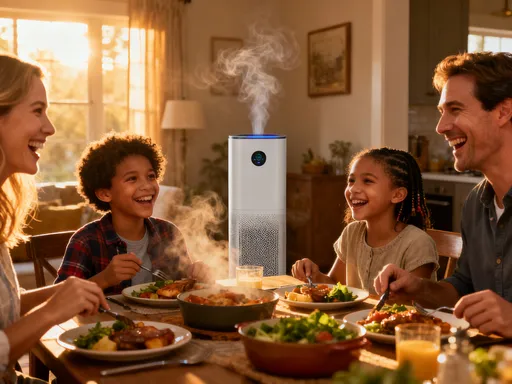
This change didn’t just reduce noise—it reduced anxiety. I no longer feel like I’m failing someone by not replying instantly. I’ve reclaimed my attention. And my family knows they come first. My son told me, “I like that you don’t look at your phone during our walks anymore.” That hit me. He noticed. He felt it. The phone isn’t the center of our lives—it’s a tool that serves us, not the other way around. And that shift? It’s made space for more eye contact, more laughter, more real moments.
Tech That Fades Away—So Life Can Shine
Looking back, I realize my journey with technology wasn’t about finding the newest app or the fastest gadget. It was about finding tools that disappear. The best tech doesn’t shout for attention. It doesn’t demand your time. It doesn’t make you feel guilty for looking away. Instead, it works quietly in the background, like a good helper—there when you need it, gone when you don’t.
What started as a search for convenience turned into something deeper: a reclaiming of my time, my focus, my emotional energy. These tools didn’t make me more efficient just to check things off a list. They gave me back moments—moments to laugh with my sister over a voice note, to sit with my mom without scribbling notes, to be fully present with my kids during dinner. They didn’t deepen my connections by doing more. They did it by doing less—by removing friction, reducing noise, and making space for what truly matters.
Today, my phone isn’t a source of stress. It’s a bridge—to my family, to my friends, to the life I want to live. And the beautiful thing is, I don’t even notice it most of the time. It’s just there, working quietly, so I can live loudly. Because when communication feels effortless, connection finally has room to grow. And that? That’s the kind of tech upgrade every heart can appreciate.