From Isolated to Connected: How a Simple App Brought My Circle Back Together
Working from home used to feel like freedom—until I realized I’d stopped seeing my friends altogether. Days blurred into weeks, meals were lonely, and planning even a simple get-together felt overwhelming. I wasn’t just missing social time; I was losing touch with the people who mattered most. Then I found a little tool that changed everything—not just how we planned meetups, but how we stayed connected, ate better, and truly showed up for each other. This isn’t about complex tech. It’s about real life, real relationships, and finally making space for both.
The Quiet Loneliness of Working from Home
You know that moment when you realize you haven’t seen your closest friends in weeks? Not because you’re angry or drifting apart—but simply because life got loud, and connection got quiet? That was me. When I first started working remotely, I thought I’d finally have more time. No commute, flexible hours, the dream, right? But what I didn’t expect was how easily the days would bleed into one another, how my kitchen table would become my office, my dining chair my desk, and my dinner… another solo meal eaten over my laptop.
At first, it didn’t feel like a loss. I told myself I was being productive, that I could catch up with people ‘soon.’ But ‘soon’ turned into months. The truth was, without the natural rhythm of office life—those impromptu coffee breaks, birthday treats in the break room, even hallway chats—I had no built-in moments to connect. And when the workday ended, I was emotionally drained. Reaching out felt like effort. Replying to a text felt like a chore. And the idea of organizing a dinner? Completely overwhelming.
What surprised me most was how much I missed the small things. The way Sarah always brought that lemon cake I love. How Maria would tell that one story about her dog every time we got together. The way we’d laugh until our sides hurt over something that wasn’t even that funny. Those moments weren’t just fun—they were grounding. They reminded me I belonged somewhere. Without them, I started to feel… untethered. Like I was floating through my days, doing everything right but still feeling empty.
When Friendship Feels Like a To-Do List
Then came the attempt to reconnect. I decided to host a dinner. Just six of us. Nothing fancy. But the moment I opened my phone to text the group, dread crept in. Not because I didn’t want to see them—but because I knew what was coming. The endless back-and-forth. The ‘I’m free Thursday?’ ‘Can’t do Thursday.’ ‘What about Friday?’ ‘I have a call.’ ‘How about next week?’ And then, silence. A week later, someone would say, ‘Wait, were we still doing this?’ And the whole cycle would start again.
It wasn’t anyone’s fault. We were all busy. We all had full lives. But coordinating across six different schedules, dietary needs, and time zones (one of us moved to Arizona last year) felt like managing a small project. And honestly? I wasn’t qualified. I’d forget to reply to someone. Someone else would accidentally double-book. And by the time we finally agreed on a date, half of us were too tired to care anymore. The worst part? The cancellations. Not malicious—just life. A sick kid, a work emergency, a last-minute deadline. But each one chipped away at my motivation.
And then there were the meals. I’d spend hours cooking, only to realize too late that I’d made garlic shrimp and three people were allergic. Or I’d buy two bottles of wine, only to find out two others don’t drink. I started dreading hosting. It wasn’t joy anymore—it was stress. I began asking myself: Why bother? Why put myself through this emotional rollercoaster just to spend two hours together? Was friendship supposed to feel like a project management app?
That’s when I realized something important: it wasn’t the friendship that was broken. It was the system. We all wanted to connect. We all cared. But the tools we were using—text messages, group chats, memory, good intentions—weren’t cutting it. We needed something better. Not because we were failing, but because life is complicated, and sometimes, we just need a little help to make the good things possible.
Discovering the App That Changed Everything
One night, during a rare video call with my friend Jenna, she mentioned, ‘You should try this app I’ve been using. We’ve had dinner every Sunday for the past two months—no drama, no stress.’ I rolled my eyes a little. Another app? Really? My phone was already full of things I downloaded once and never opened again. But there was something in her voice—lightness, ease—that made me pause.
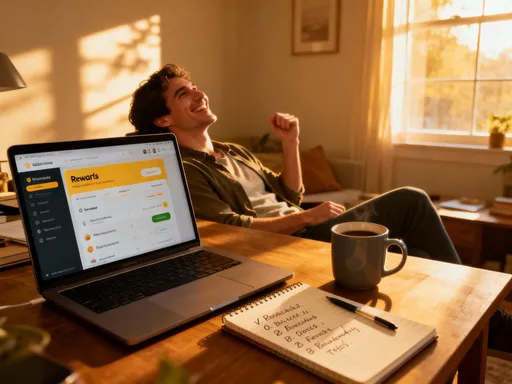
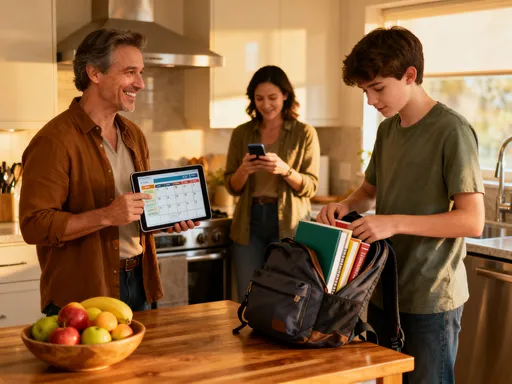
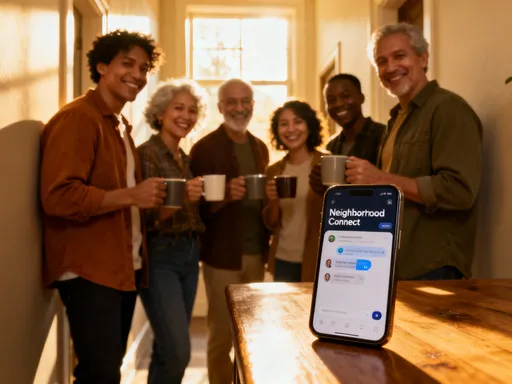
She sent me the link. The app wasn’t flashy. No neon colors, no complicated dashboard. It looked… simple. Clean. Like it was made for real people, not tech gurus. You create a group—called a ‘Circle’—and invite your people. Then, you share your availability, not by typing it out, but by connecting your calendar (don’t worry, it only shows free times, not your meetings). When someone suggests a dinner, the app shows the best dates for everyone. Then, you vote. No more endless texting. No more guessing.
But here’s what really won me over: it lets you add notes. Like ‘Maria—gluten-free,’ ‘Lena—no dairy,’ ‘Jenna—loves mushrooms.’ And it remembers. Every time. No more awkward ‘Wait, who can’t eat what?’ conversations. No more last-minute panic because someone forgot to mention they’re fasting.
I created my first Circle that night. Just six of us—the same group I’d been trying to gather for months. I added our preferences, linked my calendar, and sent the invite. Within two hours, four of us had voted. By the next morning, we had a date: Saturday, 6:30 p.m. at my place. And for the first time in a long time, I felt excited, not exhausted, by the idea of hosting.
How the App Streamlined Planning (Without the Stress)
The real magic of the app isn’t in any one feature—it’s in how everything works together to remove friction. Take reminders. We’ve all been there: you agree to meet, life happens, and suddenly it’s Friday and you realize dinner is tomorrow and you haven’t bought a thing. The app sends gentle nudges—two days before, the day before, the morning of. Not pushy. Just… helpful. Like a friend whispering, ‘Hey, don’t forget!’
Then there’s task sharing. Instead of me trying to cook everything, the app lets us assign who brings what. I host, Maria brings salad, Lena handles dessert, Jenna brings wine (the non-alcoholic kind for those who don’t drink). It’s fair. It’s fun. And it makes everyone feel involved, not just like a guest. One night, we even turned it into a game—drawing tasks from a virtual hat. My teenage niece thought it was hilarious.
And the recipe suggestions? That was a game-changer. The app knows our group’s preferences—vegetarian, low-sugar, easy cleanup—and suggests meals we’ll all enjoy. Last week, it recommended a lentil curry with coconut rice. I’d never made it before, but the instructions were clear, the ingredients were easy to find, and it was a hit. Even my picky nephew ate two servings. No more scrolling through recipes at 10 p.m., stressed about what to cook. Now, I open the app, see the suggestion, and breathe.
But the biggest relief? No more duplicate dishes. How many times have we all shown up with potato salad? Or three people bringing chocolate cake? The app shows what’s already been claimed, so you don’t accidentally bring the same thing. It’s a small thing, but it saves so much stress. And honestly? It makes the meal feel more balanced, more thoughtful. Like we’re really taking care of each other.
Eating Better, Together
Here’s something I didn’t expect: we started eating healthier. Not because we were trying to lose weight or follow a trend—but because the app made it easy to honor everyone’s needs. My friend Diane has type 2 diabetes, and she used to feel awkward asking us to avoid sugar or heavy carbs. Now, the app remembers. It suggests balanced meals. It flags high-sugar desserts. And because it’s built into the plan, it doesn’t feel like a burden—it feels like care.
Same with Maria, who went plant-based last year. Before, she’d often end up with a sad side salad while the rest of us ate meat. Now, the app suggests dishes that are naturally vegetarian or can be easily adapted. Last month, we had a Moroccan chickpea stew that everyone loved—meat-eaters included. It wasn’t a ‘special meal for Maria.’ It was just our meal. That shift—from accommodation to inclusion—made all the difference.
And because we’re cooking together more, we’re also trying new things. We had a ‘spice challenge’ night where we tried mild curries from different cultures. We did a ‘no oven’ summer series with grilled veggie bowls and fresh salsas. We even had a virtual cook-along with my cousin in Canada—same recipe, different kitchens, same laughter over video chat. Food stopped being fuel. It became joy. Connection. Celebration.
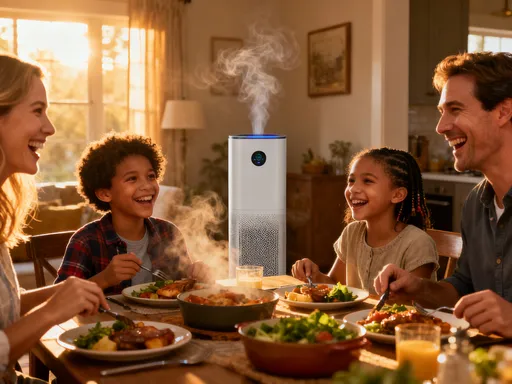
My daughter noticed. She said, ‘Mom, you seem happier when your friends come over.’ And she’s right. Because it’s not just about the food. It’s about the rhythm returning to my life. The laughter. The deep conversations. The way we pause when someone shares something hard, and how we all just… show up. That’s what I missed. And now, it’s back.
Rebuilding Connection, One Meal at a Time
Since we started using the app, we’ve met more in three months than we did in the past year. It’s not always dinner—sometimes it’s brunch, sometimes it’s a walk in the park with coffee, sometimes it’s just a 30-minute video call while we fold laundry. The point isn’t the event. It’s the consistency. The knowing that we’ll see each other, that we’re making space, that we matter.
And the best part? It’s not just me. Everyone feels it. Sarah said she used to dread group plans because she felt responsible for making it happen. Now, she says, ‘It feels shared. It feels light.’ Lena told me she’d been feeling isolated since her mom passed, and these dinners have become her anchor. ‘I know I’ll hear her laugh,’ she said. ‘And that keeps me going.’
Even the kids get it. My son started calling our Sunday dinners ‘Family Friend Night.’ He sets the table, helps with simple prep, and sits with us, even if he doesn’t eat everything. He’s learning that community isn’t just family by blood—it’s family by choice. And that’s a lesson no textbook can teach.
The app didn’t create these feelings. It didn’t make us care more. But it removed the barriers that had quietly built up—the friction, the forgetfulness, the fatigue. And in that space, connection grew again. Not because of technology, but because technology got out of the way and let humanity shine.
Why This Matters Beyond the Screen
We hear so much about how technology is tearing us apart. How phones distract us, how social media makes us compare, how screens replace real talk. And yes, some of that is true. But what if tech could do the opposite? What if, instead of pulling us away, it could gently pull us back—to each other, to ourselves, to what matters?
This app didn’t change my life because it’s revolutionary. It changed my life because it’s thoughtful. Because it was designed not for clicks or ads, but for real human needs: belonging, ease, care. It reminded me that staying close doesn’t require grand gestures. It requires small, consistent actions. A shared meal. A remembered preference. A simple ‘I’m here.’
And sometimes, all we need is a little help to make those actions feel possible. Not because we’re lazy or failing, but because life is full. Because we’re tired. Because we care, deeply, but we also have jobs, kids, chores, and quiet moments of loneliness we don’t talk about.
So if you’ve been feeling that quiet ache—the one that says you miss your people but don’t know how to reach them—know this: you’re not alone. And you don’t have to figure it all out by yourself. There are tools now that understand life the way you live it. Tools that don’t replace your heart, but support it. That don’t automate connection, but make space for it to grow.
Because in the end, it’s not about the app. It’s about the laughter around the table. The hand that squeezes yours when you share something hard. The way someone brings your favorite tea ‘just because.’ It’s about showing up, again and again, in small, beautiful ways. And if a little tech can help you do that with a little more ease, a little more joy, a little more peace—then maybe, just maybe, it’s worth a try.