We’re late again! became our last parking panic: How a simple app brought our family peace
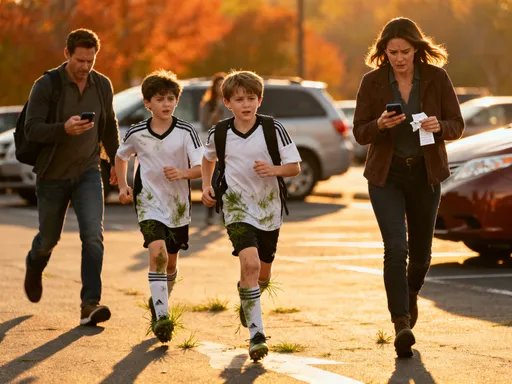
We’re late again! became the soundtrack of our weekend mornings for years. Rushing to soccer games, birthday parties, or weekend errands, my family would pull into yet another packed lot, hearts racing, voices rising. Kids whining in the backseat, me digging through the console for loose change, my partner muttering about time limits. It wasn’t just about finding a spot — it was about the weight of it all. The stress, the arguments, the missed first kicks and hugs because we were stuck in a loop of frustration. Parking, something so small, had become a daily battle. Then one quiet recommendation changed everything. No fanfare, no complicated tech — just an app that gave us back time, peace, and a little more joy in the everyday.
The Chaos Before: When Parking Meant Panic
Let’s be honest — how many of us have lived this? You’ve packed the snacks, the cleats, the extra hoodie, and you’re out the door only ten minutes behind schedule. That feels manageable, right? But then you hit the parking lot — and everything unravels. You circle the block once, twice, three times, watching the clock tick closer to game time. Your child’s voice pipes up from the back: ‘Are we going to miss it?’ And suddenly, the pressure mounts. You spot a metered spot, slam the car into park, fumble for quarters, and still, somehow, the time runs out before you return. The dread of the ticket, the scramble to get back, the guilt of being late — it all piles up in those few minutes.
What surprised me most wasn’t just the wasted time — it was how often this small frustration spilled into everything else. A simple parking struggle could turn a cheerful morning into a tense one. My partner and I would snap at each other: ‘You were supposed to put more time!’ ‘I thought you checked the app!’ And the kids? They felt it. The energy in the car shifted. Laughter disappeared. We weren’t just late — we arrived already drained. I started to notice a pattern: the more chaotic the parking, the less present we were once we finally got where we were going. We’d miss the first goal because we were still arguing about change. We’d rush through hugs because we were too frazzled to slow down.
And it wasn’t just weekend events. School drop-offs, grocery runs, even quick trips to the library — anywhere with a meter or time limit became a potential stress trigger. I’d walk into the store and immediately start calculating: how much time did I put? When do I need to get back? That nagging voice in my head never really turned off. I realized parking wasn’t just a logistical problem — it was an emotional one. It was stealing little pieces of our peace, one meter at a time. We needed a change, but I didn’t know where to start. I didn’t want another gadget or another complicated system. I just wanted to walk into our day without the weight of ‘Did we get enough time?’ hanging over us.
The Discovery: A Friend’s Simple Recommendation
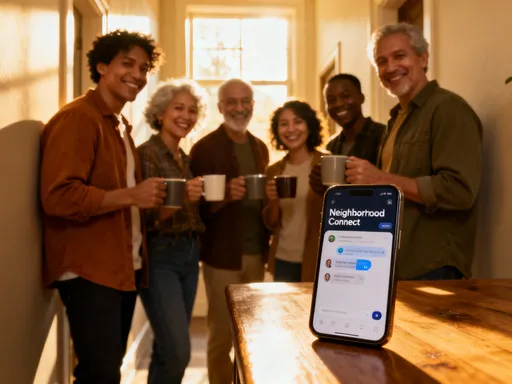
Change came from the most unexpected place — a chat in the school pickup line. My friend Sarah waved at me, calm as ever, while I was practically sprinting to grab my daughter before the bell. ‘You look like you’re on fire,’ she said with a smile. I laughed, out of breath, and confessed: ‘Parking lot was a nightmare. Again.’ She tilted her head and said, ‘Have you tried using a parking app? I haven’t stressed about meters in over a year.’
My first thought? Another app? I already had so many notifications, so many logins. The idea of downloading one more thing felt exhausting. I pictured something clunky, hard to set up, another tech chore to add to my list. But Sarah insisted: ‘It takes five minutes to set up. You pay with your phone. And it tells you when time’s running low — you can even add more without going back to the car.’ That last part caught my attention. No more sprinting across lots in heels? No more digging for coins? I was skeptical, but desperate enough to try.
That night, after the kids were in bed, I pulled up my phone and searched for parking apps in our city. I found one that was widely used, had good reviews, and worked in most of the areas we frequented. I downloaded it, created an account, and linked our credit card — just like setting up any shopping app. The interface was clean, simple, with big buttons and clear instructions. I didn’t need a manual. I didn’t need to watch a tutorial. Within ten minutes, I was ready.
Our first real test was Saturday’s soccer game. I parked, opened the app, selected my spot, and started the timer with a tap. No coins. No rush. I walked away, phone in my pocket, feeling oddly light. And then — a gentle chime an hour later. ‘Time expiring in 15 minutes. Extend session?’ I was inside the café with a coffee, watching the game through the window. With one tap, I added thirty more minutes. No running. No stress. Just… peace. That moment hit me hard. This wasn’t just convenient — it was freeing. And it cost nothing but a few minutes to set up.
How It Actually Works: Tech That Feels Invisible
Here’s the truth: I don’t care how the app works under the hood. I don’t need to know the code or the servers or the GPS precision. All I know is that it does what it promises — quietly, reliably, without drama. And that’s what makes it feel less like technology and more like a thoughtful helper who just gets it.
When I park, I open the app and tap ‘Start Session.’ It uses my location to confirm where I am, and I’m good to go. No tickets to display, no coins to feed. The app runs in the background, keeping track of time like a silent guardian. About ten minutes before my time runs out, I get a friendly alert: ‘Your parking ends soon. Want to extend?’ If I’m still shopping, still watching the game, still enjoying a quiet moment — I just tap ‘Add Time.’ Done. No backtracking. No panic. I’ve extended from grocery aisles, school pickup lines, even the bleachers. It’s like having a co-pilot who remembers what I forget.
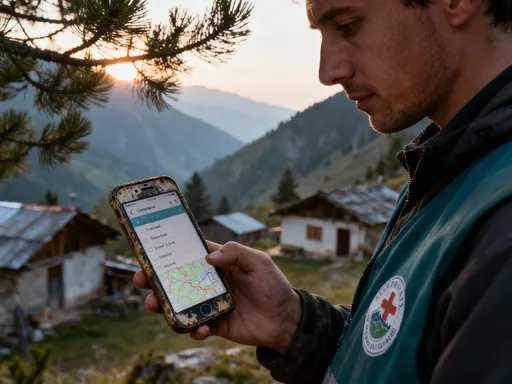
One of my favorite features? The map view that shows available spots in certain areas. It’s not magic — it doesn’t guarantee a space — but it helps me make smarter choices. Instead of driving in circles, I can see which lots have more availability. It cuts down the search time, which means less idling, less frustration, and more time doing what matters. My daughter once said, ‘Mom, you’re not yelling about parking anymore.’ That hit me right in the heart. She noticed the change. The tech didn’t just help me — it changed the mood of our family outings.
And because the app stores our payment method securely, I don’t have to worry about carrying change or refilling a parking card. It’s all digital, encrypted, and easy to manage. If I ever want to check my history or see where I parked, it’s right there in the app. No receipts. No guesswork. Just clarity. The best part? It doesn’t demand my attention. It only speaks up when it needs to. That’s the kind of tech I can get behind — the kind that serves without shouting.
Shared Access, Shared Peace: Making It a Family Tool
At first, I was the only one using the app. I’d start the session, manage the time, and handle everything. But then my partner forgot to check the meter during a weekend errand — and we got a warning notice. It wasn’t a ticket, but it stung. We both felt it: the old frustration creeping back. That’s when I realized — this tool wasn’t just for me. It could be for all of us.
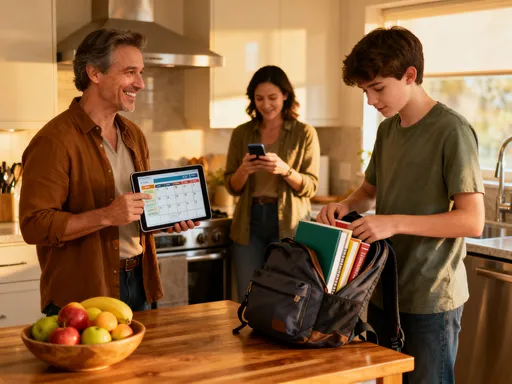
I looked into the app’s family features and discovered we could link accounts or create shared access. I added my partner, and within minutes, he could see our parking session, receive alerts, and extend time from his phone. The first time he extended while I was in a meeting, I got a sweet little message: ‘Parked time extended. You’re welcome.’ I laughed — but I also felt a wave of relief. We weren’t playing the blame game anymore. We were a team.
Now, when we go out, either of us can start the session. If one of us is already at the store, they can handle it. If the kids are with one parent and the other is running late, no problem — the parking can be managed remotely. We even let our older teen use it when she drives to practice. She texts us when she arrives, starts the session, and we all breathe easier knowing she’s not stressing over coins or time limits.
What I didn’t expect was how much this small shift strengthened our sense of teamwork. It sounds simple, but sharing responsibility for something as small as parking removed a tiny source of tension. We stopped keeping mental tabs on who ‘owed’ what. Instead, we trusted the system — and each other. The app became more than a payment tool; it became a symbol of cooperation. It reminded us that we’re in this together, even in the little things.
More Than Convenience: Unexpected Emotional Benefits
I thought the app would save me time. And it did. But what I didn’t expect was how much it would save me mentally and emotionally. The reduction in daily friction has had a ripple effect on our family life. Fewer parking-related arguments mean more room for real conversation. Less stress in the car means more laughter. I’ve noticed we arrive places calmer, more present, more connected.
One Saturday, after a smooth drop-off and a stress-free game, my younger daughter turned to me and said, ‘I like when we’re not in a hurry.’ My eyes filled up. That moment wasn’t about parking — it was about presence. Because we weren’t consumed by logistics, we could actually enjoy being together. We watched the game, cheered, shared snacks, and walked back to the car without rushing. That’s the gift this small tool gave us — not just time, but the ability to be in it.
I’ve also reclaimed mental space. Before, part of my brain was always occupied with ‘Did I pay enough? When do I need to get back?’ Now, that background noise is gone. I can focus on my kids, on my thoughts, on the moment. It’s like clearing clutter from a crowded room — suddenly, there’s more air to breathe. I’ve started to see this as a form of self-care. Protecting my peace isn’t selfish — it’s necessary. And when I’m calmer, I’m a better mom, a better partner, a better version of myself.
This experience taught me that technology doesn’t have to be flashy or complicated to be transformative. Sometimes, the most powerful tools are the ones that disappear into the background, quietly supporting our lives. They don’t draw attention to themselves — they draw attention back to what matters. For us, that’s family, connection, and the simple joy of showing up without stress.
Getting Started Without the Stress: A Beginner’s Path
If you’re reading this and thinking, ‘This sounds great, but I’m not tech-savvy,’ I hear you. I felt the same way. The idea of downloading apps, setting up payments, inviting others — it can feel overwhelming. But here’s what I’ve learned: starting small removes the pressure. You don’t have to master everything at once.
Begin by searching for a parking app that’s widely accepted in your city or town. Look for one with simple reviews — not too many features, not too flashy. Read a few user comments to see if people say it’s reliable and easy to use. Once you pick one, download it. Take five minutes to set it up — enter your information, link a payment method, and explore the interface. You don’t have to use it right away. Just get familiar.
Then, try it in a low-pressure situation. Maybe it’s a trip to the grocery store or a quiet afternoon at the library. Park, open the app, start a session. See how it feels. If you forget, no big deal — just learn for next time. The goal isn’t perfection; it’s practice. And when you get that first alert and extend your time from inside the store, you’ll feel it — that little spark of ‘Hey, this works.’
If you want to involve your family, start by sharing your experience. Say, ‘I tried this app — it’s helped me relax about parking. Want to give it a try together?’ You can invite your partner or older kids to join. Most apps make it easy to share access or create linked profiles. Take it step by step. Celebrate the small wins. Every time you avoid a scramble or a ticket, that’s a victory.
And if you’re worried about privacy or security, most reputable apps use encryption and secure payment processing — just like your online banking. You can review permissions and settings to make sure you’re comfortable. The key is to move at your own pace. This isn’t about keeping up — it’s about making life a little easier.
The Bigger Picture: Small Tools, Meaningful Change
Looking back, I never thought a parking app could change how our family experiences time, connection, and calm. But it did. It didn’t fix everything — no single tool could — but it removed a recurring source of friction that had been wearing us down. And in doing so, it gave us something priceless: breathing room.
That’s the real power of smart technology — not the gadgets, not the specs, but the space it creates. When we automate the small stresses, we free up energy for what truly matters. We can listen more. Laugh more. Be more present. We stop surviving the day and start enjoying it. These tiny improvements compound. One less argument. One more moment of connection. One more deep breath.
I’ve come to see tools like this as part of a larger intention: to design a life that supports our well-being, not drains it. It’s not about rejecting technology — it’s about choosing the right kind. The kind that serves us quietly, reliably, without fanfare. The kind that helps us show up as our best selves.
Today, when we pull into a parking lot, the mood is different. There’s no panic. No digging. No countdown. We park, tap the app, and walk away — together. And when the alert comes, it’s not a threat. It’s a gentle reminder that we’re covered. That we’ve got this. That we’re not alone in the little things.
So if you’re still circling lots, still stressed about time, still arriving late and frazzled — know there’s another way. It might come in the form of a simple app, a small change, a quiet shift. But its impact can be profound. Because sometimes, the smallest tools bring the biggest peace. And that’s a gift worth downloading.