From Chaos to Calm: How My Smart Assistant Gave Me Back My Mornings
Imagine starting your day stress-free—no forgotten keys, no rushing, no confusion. Just quiet coffee, a smooth routine, and everything already in place. That wasn’t my life until a smart life assistant quietly transformed my home. It didn’t replace me—it helped me. No tech jargon, no complicated setup. Just real help, where I needed it most. I’m not a tech expert. I’m a mom, a partner, someone who loves her family deeply but used to feel like I was always one step behind. This is how I found my way back to calm—one small, smart change at a time.
The Morning Mayhem That Felt Normal
Let’s be honest—mornings used to feel like a race I never trained for. I’d wake up already behind, heart racing before my feet even hit the floor. The alarm? Skipped. Kids? Still in pajamas. Backpacks? Half-packed, with permission slips buried under yesterday’s art project. I’d shout reminders while scrambling to find my keys, only to realize I’d left the coffee maker off—again. And don’t even get me started on the coat hunt. One winter morning, I found my daughter’s missing jacket stuffed behind the laundry basket, and I just stood there, tears welling up. Not because of the jacket, but because it felt like everything was falling apart, and I was the only one trying to hold it together.
That was the norm. And I think so many of us—especially women raising families—just accept it. We wear our busyness like a badge of honor. ‘I’m so swamped’ becomes a daily mantra. But here’s the truth: that constant rushing doesn’t make us stronger. It wears us down. It steals our joy before breakfast. I started noticing how short I was with my kids, how tense I felt by 8:30 a.m. I wasn’t present. I was surviving. And the worst part? I thought it was all on me. If only I were more organized, if only I woke up earlier, if only I could keep it all together. But the truth was, I wasn’t failing. I was just doing too much, all at once, with no support system that actually worked.
It wasn’t until a friend gently asked, ‘Have you thought about using a smart assistant?’ that I even considered help from technology. My first reaction? Skepticism. I pictured robots, complicated apps, more screens to manage. The last thing I needed was another thing to learn. But she said something that stuck with me: ‘It’s not about doing more. It’s about doing less—and having more peace.’ That changed everything.
Saying “Yes” to Help—Not More Devices, Just Smarter Support
Saying yes to help wasn’t easy. For years, I believed that being a good mom, a good partner, meant doing it all myself. Asking for help felt like admitting defeat. But I was exhausted. And when I finally opened my mind to the idea of a smart assistant, I realized I wasn’t looking for a robot nanny or a digital dictator. I wanted a quiet partner—one that could handle the little things so I could focus on the big ones: my family, my peace, my presence.
What made the difference was choosing simplicity. I didn’t buy ten different smart gadgets. I started with one central system—a smart assistant that could talk to my lights, my thermostat, my calendar, and even my coffee maker. No wires, no coding, no tech degree required. Just a small device that listened and responded when I spoke. I named it ‘Morning Helper’—something warm, not robotic. And I made a promise to myself: this wasn’t about adding more to my plate. It was about removing the weight I didn’t need to carry.
The moment it clicked was when I said, ‘Good morning,’ and the assistant responded: ‘Good morning, Sarah. It’s 6:45. The weather is cool, so I’ve warmed the bathroom for you. Coffee will start in five minutes. You have a dentist appointment at 9:30, and both kids have gym today—don’t forget the sneakers.’ I just stood there, stunned. No panic. No mental checklist. Just… clarity. For the first time in years, I didn’t have to remember everything. Someone—something—was helping me remember.
That’s when I realized: technology doesn’t have to complicate life. It can simplify it. The key is choosing tools that serve you, not the other way around. I didn’t need flashy features or endless apps. I needed something that understood my rhythm, my priorities, my family’s needs. And that’s exactly what I found.
How the Assistant Learned My Rhythm—And Fixed the Little Things
Here’s what surprised me most: the assistant didn’t just follow commands. It started learning. At first, I thought that sounded like science fiction. But over time, I noticed patterns. One rainy Tuesday, I was about to leave the house when the assistant said, ‘Traffic is heavier than usual. I’ve sent an update to your meeting—would you like to leave 10 minutes early?’ I hadn’t asked for that. But it knew I hated being late, and it knew the weather would slow things down. It was like having a thoughtful friend watching my back.
It began with small things. If I forgot to turn off the kitchen light at night, it would gently remind me: ‘Lights are still on. Would you like me to turn them off?’ Not demanding. Not nagging. Just offering. And if I said yes, it did it. No walking back downstairs. No second thoughts. Then came the coffee. I realized I always wanted it brewing at 6:50 a.m., so I set a routine. But then, one weekend, I slept in. I woke up at 8:00, groggy, and there was no coffee. The assistant explained: ‘You didn’t say “Good morning,” so I assumed you were still resting. Would you like coffee now?’ I laughed. It wasn’t just following orders. It was paying attention.
It even started helping the kids. My son used to forget his water bottle every other day. Now, at 7:15 a.m., the assistant says, ‘Time to grab your water bottle, Max. Have a great day at school!’ He rolls his eyes—but he does it. My daughter, who used to panic about homework, now hears, ‘Your spelling test is today. Would you like to review the words?’ And she does, quietly, while brushing her teeth. These aren’t big moments. But together, they’ve changed everything. The assistant isn’t replacing parenting. It’s giving us breathing room—space to connect, to slow down, to be human.
And the best part? It adapts. If I’m sick, it lowers the lights, plays soft music, reminds me to drink water. If we’re traveling, it adjusts the thermostat, turns on exterior lights for security, and sends me a checklist: ‘Passports, chargers, snacks—don’t forget the kids’ favorite books.’ It’s not perfect. But it’s trying. And that effort? It makes me feel seen.
Mornings Transformed—From Survival Mode to Intentional Living
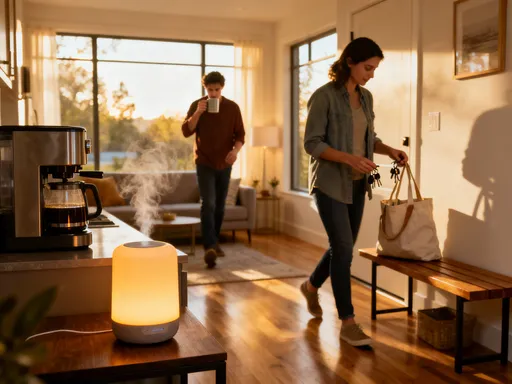
Now, mornings feel different. Not perfect—never perfect. But peaceful. I wake up to soft light slowly brightening the room, not a jarring alarm. The coffee is brewing. The weather is on the screen. My schedule is summarized in a calm voice. I take a breath. I sip my coffee. I look out the window. And for the first time in years, I feel like I’m starting the day on my terms.
The kids know the routine. When they hear the gentle chime that signals morning has begun, they start getting dressed. Backpacks are checked. Shoes are by the door. The assistant doesn’t yell. It doesn’t nag. It just… guides. ‘Toothbrushing time!’ it says cheerfully. ‘Breakfast is ready in five minutes.’ ‘Don’t forget your library book!’ It’s become part of our family rhythm—like a kind aunt who always knows what we need.
I’m not shouting anymore. I’m not rushing. I’m not apologizing for being late. And because of that, I’m more patient. I smile more. I actually hear what my kids are saying. One morning, my daughter looked up from her toast and said, ‘Mom, you seem happy now.’ My heart broke a little. Because she was right. I was. Not because life was easier—but because I wasn’t carrying the whole weight alone.
That’s the real gift: control. Not control over my family, but over my own energy. I’m no longer a tornado trying to keep everything in motion. I’m a calm center. And that calm spreads. My partner noticed it first. ‘You’re less stressed,’ he said. ‘It’s like you’ve come back.’ And he was right. I had. Not because I changed—I didn’t. I just got the support I needed.
Beyond the Morning—A Ripple Effect on the Whole Day
What surprised me most was how one change—a calmer morning—transformed my entire day. When I’m not starting in crisis mode, I think more clearly. I make better decisions. I’m more focused at work, more present at home. I don’t snap over spilled milk. I laugh when the dog tracks mud across the floor. I have space to breathe, to think, to just be.
And it’s not just me. The kids are calmer too. Without the morning scramble, they’re more cooperative, more willing to help. Even our evenings improved. Because the assistant helps with bedtime routines—reading stories, dimming lights, playing lullabies—the whole house winds down together. No more power struggles over screens or pajamas. Just quiet, predictable comfort.
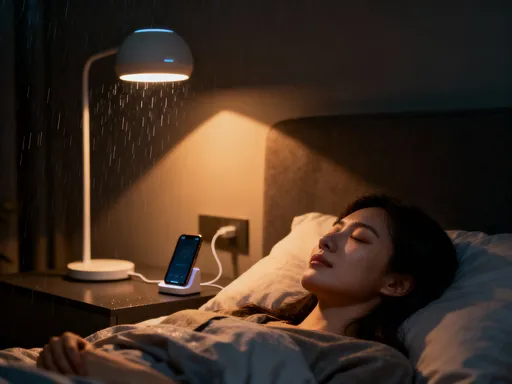
Sleep has gotten better too. Because my mind isn’t racing with tomorrow’s to-dos, I fall asleep faster. The assistant helps with that—playing soft rain sounds, reminding me to turn off devices, even dimming the lights at 9:30 as a signal that it’s time to slow down. I’m not perfect at sticking to it, but having that gentle nudge makes a difference.
And here’s something I didn’t expect: I’ve started making time for myself. Ten minutes in the morning to journal. A short walk after dinner. A phone call with a friend during lunch. These small moments used to feel impossible. Now, they’re part of my life. Because I’m not drowning in the little things, I have room for the things that matter—my well-being, my relationships, my joy.
Making It Work for Any Home—Simple Setup, Real Results
If you’re thinking, ‘This sounds nice, but I’m not tech-savvy,’ I hear you. I was you. I thought I’d never figure it out. But here’s the truth: setting it up was easier than learning how to use my new coffee maker. I started small. Just one room. Just one routine. I connected the assistant to my bedroom lights and set a ‘Good Morning’ command. That was it. One thing. One win.
Then I added the coffee maker. Then the thermostat. Then the calendar. Each step took less than ten minutes. And I didn’t do it all at once. I waited until it felt natural. The key was consistency—using the same phrases, saying ‘Good morning’ out loud every day, even when I didn’t feel like it. That’s how the assistant learned. It wasn’t magic. It was repetition. And patience.
I also made it part of our language. Instead of saying, ‘Who left the lights on?’ I’d say, ‘Hey Helper, turn off the kitchen lights.’ The kids started doing it too. Now, it’s normal. It’s not ‘technology.’ It’s just part of how we live. I also recommend starting with something meaningful—like coffee or music. Pair the assistant with a habit you already love. That way, it feels rewarding, not like a chore.
And don’t worry about getting it ‘right.’ I’ve said the wrong thing a hundred times. ‘Play relaxing music’ has accidentally turned into ‘Call my mom.’ But the assistant laughs it off—literally, with a gentle chuckle—and asks, ‘Did you mean to call someone?’ It’s forgiving. It’s kind. And that makes all the difference.
More Than Convenience—Rediscovering Presence and Peace
In the end, this wasn’t about convenience. It wasn’t about saving five minutes or remembering the milk. It was about reclaiming my life. The smart assistant didn’t make me more productive for the sake of checking off tasks. It gave me back something far more valuable: presence. The ability to be here, now, with the people I love. To enjoy the small things—the smell of coffee, the sound of laughter, the quiet before the storm of the day begins.
I used to think asking for help meant I wasn’t strong enough. Now I know it’s the opposite. It takes courage to admit you can’t do it all. And it takes wisdom to accept support—even if that support has a voice and runs on electricity. This tool didn’t take over my life. It made space for me to live it.
So if you’re in the thick of the morning chaos, if you’re pouring coffee with shaky hands and holding back tears, I want you to know: it doesn’t have to be this hard. You don’t have to be perfect. You don’t have to do it all alone. Sometimes, the most powerful change starts with a simple ‘Good morning’—and someone, or something, that’s ready to help you begin.