More than a holiday app: How tech quietly transformed my volunteer trips
Spending time volunteering during holidays used to feel noble—but exhausting. Between coordinating with teams, tracking schedules, and staying connected in remote areas, the experience often left me drained before it even began. I wanted meaning, not more stress. Then I discovered how simple tools—ones I already had—could ease the chaos. This isn’t about flashy tech; it’s about how everyday digital solutions quietly supported real moments of connection, purpose, and personal growth. Let me show you how small changes made a lasting difference.
The Holiday Volunteer Dilemma: When Good Intentions Meet Real-Life Chaos
Volunteering over breaks always sounded so meaningful—like the perfect way to give back while stepping away from daily routines. I imagined warm connections, shared purpose, and quiet fulfillment. But the reality? More often than not, it started with confusion. I remember signing up for a coastal clean-up last summer, excited to help restore a beautiful stretch of shoreline. I’d read the initial email, nodded along to the mission, and tucked it away, assuming details would come later. They did—but buried in a long thread I missed during a busy week. I showed up a day late, only to find the team had already wrapped up and gone home. My heart sank. I hadn’t just missed the work—I’d missed the chance to be part of something bigger.
That wasn’t a one-time fluke. Another time, I joined a rural teaching initiative during spring break. The goal was to support children in a small mountain town by helping with reading and basic math. It sounded ideal. But coordinating with a team spread across four time zones turned into a mess. Emails bounced around for days. Someone would suggest a meeting, others would miss it, and then we’d start all over again. By the time we finally connected, half the group was already second-guessing the trip. I began to wonder—was volunteering supposed to feel this hard? I wasn’t asking for luxury. I just wanted to show up, contribute, and connect without wasting energy on avoidable mix-ups.
These weren’t just minor hiccups. They were patterns that threatened the very thing I was trying to protect: the joy of service. I realized my intentions were strong, but my systems were weak. I wanted to help, not add to the chaos. That’s when I started asking a simple question: could the same tools I used every day for shopping, chatting, and managing my family’s schedule also support my volunteer work? Not in a high-tech, complicated way—but in small, practical ways that kept things running smoothly so I could focus on what really mattered: the people, the purpose, and the moments that stay with you long after the trip ends.
Finding Clarity with Shared Digital Calendars
One of my biggest pain points was trying to keep track of everything in my head—or worse, in a jumble of sticky notes and half-read emails. When I volunteered for a winter project to help renovate a community center, I knew I needed a better system. We were a team of ten—some local, some traveling in—and we all had different availability, roles, and responsibilities. The first meeting was a mess. Three of us showed up on Saturday, only to find out the supplies hadn’t arrived and the rest of the team was coming Sunday. No one had confirmed. No one had updated. We just assumed.
That’s when I suggested we try a shared digital calendar. I’d used one at home to track my kids’ soccer games, doctor appointments, and grocery runs. Why not use it for this? I created a simple calendar, color-coded each type of task—painting in blue, electrical work in yellow, supply drop-off in green—and shared it with the team. I showed everyone how to turn on notifications and check it daily. Within two days, our communication changed completely. Instead of guessing or waiting for updates, we could just open the calendar and see what was happening. When someone needed to switch a shift, they updated it, and the whole team knew instantly.
What surprised me most wasn’t just the efficiency—it was how it improved our relationships. We stopped wasting time on “Did you get the message?” texts and started having real conversations. “I saw you moved the paint day—thanks for handling that!” one teammate said. “I was able to rearrange my ride because of the update.” That small shift freed up mental space. We weren’t stressed about logistics anymore. We could actually focus on working together, laughing together, and feeling like a team. The calendar didn’t replace human connection—it protected it by removing the noise.
Group Messaging That Actually Works: Less Noise, More Connection
We’ve all been in those group chats—the ones that blow up with overlapping messages, emojis, and repeated questions. “What time are we meeting?” “Did someone bring the gloves?” “Wait, where are we supposed to go again?” I was in one during a spring tree-planting event, and by day two, I was muting the chat just to keep my sanity. Important updates were getting buried under jokes and side conversations. Someone asked the same question three times because no one scrolled back. It wasn’t anyone’s fault—just the way unstructured messaging tends to go.
That’s when I started using a messaging app that lets you create separate channels for different topics. We set up one for logistics (“Meetup times and location”), one for supplies (“Who’s bringing what”), and one for personal check-ins (“How are you feeling today?”). At first, people were skeptical. “Isn’t that too much?” someone asked. But within a day, everyone saw the difference. When someone needed to know about parking, they went to the logistics channel. When they wanted to share a photo of the saplings they’d helped plant, they posted in the main feed. And when one volunteer said she was feeling overwhelmed, two others responded in the check-in thread with encouragement and a coffee invite.
The most unexpected moment came when Maria, one of our oldest volunteers, shared a voice note about her grandmother’s gardening tips—how she used crushed eggshells to keep pests away. It wasn’t related to the official plan, but it sparked a whole conversation about family traditions and natural remedies. That kind of warmth wouldn’t have surfaced in a cluttered, fast-moving chat. By organizing our communication, we didn’t just reduce noise—we created space for connection. Tech, when used with care, didn’t distance us. It brought us closer by helping us listen better.
Offline Access and Data Saving: Staying Connected Where Signals Fade
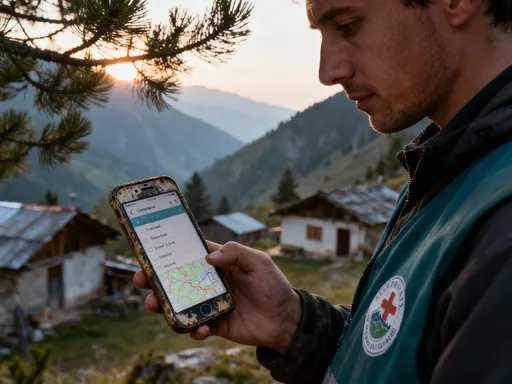
One of the hardest lessons I learned was that not every volunteer site has reliable internet. I remember traveling to a remote mountain village to help build a small library for the local school. I’d planned everything on my phone—downloaded the blueprint, created a checklist, even saved contact numbers in a shared document. But when we arrived, the Wi-Fi was spotty, and my data barely worked. I couldn’t open the app where our schedule was stored. I couldn’t access the supply list. For the first few hours, I felt helpless, asking teammates over and over, “What are we doing next?” It was frustrating—and completely avoidable.
Since then, I’ve made it a rule: if it’s important, download it before I go. I now use apps that support offline mode, so I can view documents, maps, and checklists even without a signal. I save the team calendar as a PDF. I download Google Maps of the area so I can navigate without data. I even take screenshots of key information and store them in a dedicated folder. These small habits have saved me hours of stress and kept projects moving smoothly, even in the most remote places.
It’s not about having the fanciest phone or the latest gadget. It’s about being prepared for real life. I once helped organize a disaster relief supply drive in a rural area after a storm. Power was out, and cell service was limited. But because we’d downloaded everything ahead of time—inventory lists, distribution plans, volunteer assignments—we could keep working without delays. One volunteer told me, “I didn’t realize how much peace of mind comes from knowing I can access what I need, even when the world feels disconnected.” That’s the quiet power of thoughtful tech use—it doesn’t shout. It simply makes sure you’re never left behind.
Task Management Without the Overwhelm
Big volunteer projects can feel overwhelming when everything lands on your plate at once. I remember joining a food distribution drive before the holidays. The goal was to pack and deliver 500 meal boxes to families in need. At first, the scale felt paralyzing. Who was doing what? When did things need to happen? How would we track progress? I kept thinking, “What if we forget something important?” That anxiety wasn’t helping anyone—not me, not the team, not the families waiting for those meals.
That’s when I introduced a simple task management app. We broke the project into clear steps: sourcing ingredients, packing boxes, labeling, route planning, and delivery coordination. Each task was assigned to a team member with a due date. We used progress bars so everyone could see how far along we were. Every morning, we’d check in for five minutes—no long meetings, just a quick glance at what was done and what was next. The visual progress was surprisingly motivating. Seeing the bar move from 20% to 60% to 90% gave us a sense of momentum. “We’re actually doing this,” one volunteer said with a smile. “It doesn’t feel impossible anymore.”
The app didn’t pack the boxes or drive the routes. But it helped us feel capable. It turned a mountain of work into manageable steps. I noticed that people were more willing to take on tasks because they could see how their piece fit into the whole. And when someone finished early, they’d check the board and ask, “What else needs help?” That spirit of teamwork didn’t come from the app—it came from the clarity the app provided. Tech didn’t replace effort. It honored it by making it visible and valued.
Reflecting and Sharing: How Digital Journals Added Meaning
After every volunteer trip, I used to just… move on. I’d feel good for a few days, then get caught up in daily life, and the experience would fade. I wanted to hold onto those moments—the quiet conversations, the unexpected smiles, the feeling of being part of something meaningful. So I started a new habit: digital journaling. At the end of each day, I’d take five minutes to record what stood out. Sometimes I typed. Often, I used voice-to-text because I was too tired to write. “Today, a little girl read her first full sentence out loud. The whole room clapped. I cried a little.” “One elder shared stories about the land—how it used to bloom in spring. I wish I’d brought my notebook.”
These notes became more than memories. They became a record of my own growth. I started to see patterns—how I’d become more patient, more present, more willing to listen. I also began sharing small pieces with friends and family—not every detail, but select moments that captured the heart of the experience. I’d create a simple photo collage or send a short update: “Today we planted 200 trees. The soil was rich, the air was cool, and one volunteer brought homemade cookies. Perfect day.” People responded warmly. Some even asked how they could join next time.
But the real gift was for me. Writing helped me process emotions I hadn’t even noticed I was carrying. It turned busy days into meaningful chapters. And when I looked back months later, I could see how much I’d changed—not just in what I’d done, but in who I’d become. Technology, in this quiet way, became a mirror. It didn’t judge. It simply held space for reflection, gratitude, and growth.
The Real Reward: When Tech Serves the Human Experience
Looking back on all these trips, I realize something important: the tools never mattered more than the people. I didn’t volunteer to use apps or check boxes on a digital calendar. I did it to connect, to contribute, to feel part of something bigger than myself. But I also see now how much smoother the journey became when I stopped fighting disorganization and started using simple tech to support my intentions.
Technology didn’t lead the experience. It didn’t replace the warmth of a shared meal, the pride in a job well done, or the quiet moment when a child looks up at you and says, “Thank you.” But it removed friction. It reduced stress. It gave me mental space to truly listen, to be present, to care without distraction. I no longer dread the planning phase. I don’t lie awake wondering if I missed an update. I can focus on what really matters—the human moments that stay with me long after the trip ends.
And isn’t that what we all want? To show up fully, without burnout? To give our time and energy without losing ourselves in the process? The right tools—used with intention—don’t make us less authentic. They help us be more of who we want to be. They clear the path so the heart of volunteering can shine through. So yes, I still believe in the power of showing up with nothing but good intentions. But now, I also believe in the quiet power of showing up prepared—with a calendar, a checklist, and a heart ready to connect. Because when tech serves the human experience, the result isn’t just efficiency. It’s meaning, deepened.