I used to dread laundry day — How my smart drying rack gave me back time and peace of mind
I used to dread laundry day. It wasn’t just the folding or the sorting—it was the constant juggling, the guessing games with the weather, the damp towels that never quite dried, and the clothes I had to bring in at night only to hang up again the next morning. As a mom of two, working from home and trying to keep up with meals, school runs, and family time, laundry became this never-ending loop that drained me. I’d stand on my little balcony, checking the sky, hoping the clouds would hold off just a few more hours. But more often than not, I’d lose the battle. Then one rainy Tuesday, I finally said enough. That’s when I discovered something that didn’t just change my laundry routine—it changed my whole rhythm of life. A smart clothes drying rack didn’t sound like much at first. I pictured something clunky, noisy, or overpriced. But what I found was the opposite: quiet, simple, and surprisingly thoughtful. It didn’t just dry my clothes faster. It gave me back time. It gave me back peace. And honestly, it gave me back a little bit of myself.
The Last Straw: When Laundry Became Unmanageable
There was a moment—real, raw, and soaked in frustration—when I realized something had to change. It was late afternoon, and I was standing on my small balcony, the kind that barely fits a chair and a potted plant. My daughter’s school uniform was still damp from the morning, my husband’s work shirts hung limply, and a light drizzle had just started. I could feel the dampness in the air, the kind that settles into fabric and never really leaves. I brought everything inside, again, and piled it over the shower rod. Again. That night, I folded half-dry clothes just so they wouldn’t wrinkle, knowing full well they’d smell faintly musty by morning. I wasn’t just tired of the mess—I was tired of feeling defeated by it.
Laundry had become this invisible weight on my shoulders. It wasn’t just about clean clothes. It was about timing, energy, and attention. I’d wake up early to hang things before work, check them constantly throughout the day, and end up rehanging them after dinner. It stole moments I could have spent reading with my kids, calling a friend, or just sitting with a cup of tea. I started to resent it—not because it was hard, but because it was relentless. And the worst part? It never felt finished. There was no real sense of accomplishment, just a cycle of effort with no real reward. I began to wonder: isn’t there a better way? Something that doesn’t demand so much of my time and attention? That question led me to look beyond the clothesline I’d used for years.
I didn’t have space for a dryer. My apartment didn’t allow it, and even if it did, the cost and energy use felt excessive. I tried portable dryers, but they were loud, hot, and left clothes stiff. I considered giving up and just using laundromats, but that meant another errand, another chunk of time carved out of an already full week. I was stuck—until I heard about smart drying racks. At first, I dismissed it as another overhyped gadget. But the more I read, the more I realized this wasn’t about luxury. It was about practicality. About reclaiming a small but meaningful part of my day. And so, with cautious hope, I decided to try one.
Discovering the Quiet Helper: What a Smart Drying Rack Actually Does
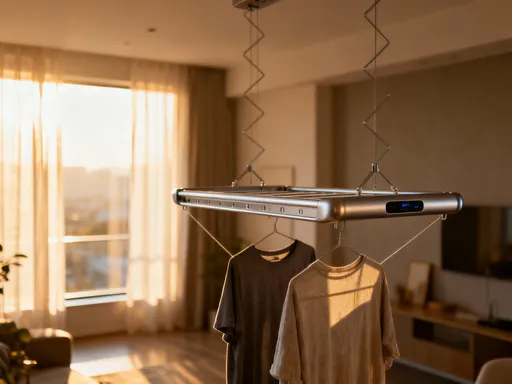
I wasn’t looking for something flashy. No blinking lights, no voice commands, no app that needed constant updates. I just wanted something that worked—something that could take the guesswork out of drying clothes without turning my home into a tech showroom. What I found was surprisingly simple. A smart drying rack isn’t magic. It’s a well-designed system that lifts clothes gently into the air, circulates warm or room-temperature air around them, and uses moisture sensors to know when they’re dry. Some models even lower themselves automatically when the cycle is done. It runs quietly—so quietly I often forget it’s on—and it fits neatly in corners, balconies, or even bathrooms.
The first time I used it, I loaded it like I would a regular rack—maybe a little skeptically. I pressed start, set the timer, and walked away. No checking. No rehanging. No worrying about rain. And when the soft chime went off two hours later, I walked back to find everything perfectly dry. Not damp, not half-done, but fully dry, soft, and ready to fold. I remember just standing there, staring at it, thinking: This actually worked. It wasn’t faster because it used brute force. It was effective because it was consistent. It didn’t rely on sunshine or wind. It created its own ideal drying environment, every time.
What surprised me most was how little effort it required. I didn’t have to adjust my life around it. Instead, it adjusted to mine. I could start a load at 9 p.m. after the kids were in bed, set it to run overnight, and wake up to dry clothes in the morning. No more rushing to hang things before work. No more coming home to a basket of damp laundry. It wasn’t replacing my effort—it was redistributing it. The physical act of hanging clothes was still there, but the mental load? That was gone. I didn’t have to think about it anymore. And that, more than anything, changed how I saw household technology. It wasn’t about replacing work. It was about making the work I did feel lighter.
More Than Dry Clothes: How It Gave Me Flexibility Back
The real transformation didn’t happen in the first week. It happened over time, as I began to realize how much of my life I’d been planning around laundry. I used to check the weather app more than my calendar. A sunny day meant laundry day, even if I had other plans. A cloudy forecast meant delay, delay, delay—until the basket overflowed and I had no choice. But with the smart rack, that pressure disappeared. I could do laundry any time. Rain or shine. Day or night. I wasn’t at the mercy of the sky anymore.
One weekend, my family decided to go away unexpectedly. I had a load in the wash, and I didn’t want to leave wet clothes sitting for two days. With the smart rack, I just set a delayed start—eight hours later, when I’d be long gone. It ran quietly while we were away, and when I returned, the clothes were dry and fresh. No musty smell. No hassle. Just peace of mind. That kind of flexibility felt like a gift. It wasn’t just about convenience. It was about autonomy. The freedom to make choices without laundry dictating my schedule.
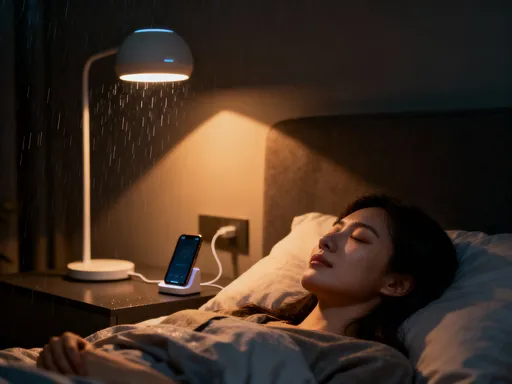
I started using it in ways I hadn’t expected. On cold winter nights, I’d hang pajamas and towels to dry right before bed. Waking up to warm, soft clothes was a small luxury I didn’t know I needed. For my son, who has sensitive skin, it meant fewer irritations—no outdoor dust or pollen sticking to damp clothes. For me, it meant more time in the evenings. I could cook dinner, help with homework, or just sit and talk with my husband without the nagging thought: I should really go check the laundry. That mental space—once crowded with chores—started to feel lighter, clearer. And in that space, I found room to breathe.
A Calmer Home, A Calmer Mind: The Emotional Ripple Effect
I didn’t expect laundry to affect my mood. But it did. When clothes were always half-dry, piled on chairs or draped over doors, my home felt cluttered, chaotic. I’d walk into the bathroom and see towels hanging over the shower, and immediately feel a little tension rise in my chest. It wasn’t anger. It was just this low hum of stress, a constant reminder that something wasn’t quite right. And over time, that stress seeped into other parts of my day. I was more irritable. More rushed. Less present.
Then, slowly, that changed. With the smart rack, clothes dried properly. They stayed off the furniture. The house looked tidier, yes—but more than that, it felt calmer. There was a rhythm to it. I’d hang things in the evening, press start, and know they’d be done. No second-guessing. No last-minute scrambling. That predictability brought a sense of order I hadn’t realized I was missing. And as the physical clutter faded, so did the mental clutter.
I noticed I was less short-tempered with my kids. I stopped snapping at my husband when he left his shirt on the couch. I even started enjoying the act of folding—something I used to dread. There was something meditative about it, now that it wasn’t rushed. I’d fold while listening to a podcast or a favorite playlist, and it became a small moment of calm in my day. The rack didn’t just dry clothes. It created space—for peace, for patience, for presence. And that calm didn’t stay in the laundry corner. It spread. I became more patient in traffic. More thoughtful in conversations. More able to enjoy the small moments. Technology, when it works quietly and well, doesn’t pull you away from life. It helps you settle into it.
Learning to Trust: How I Overcame My Skepticism
I’ll be honest—I didn’t trust it at first. I kept checking. I’d walk by and touch a shirt to make sure it was really dry. I worried about the cost. Was this just another gadget I’d use once and forget? I read reviews. I asked friends. I even watched a few setup videos. And when I finally turned it on, I hovered nearby, half-expecting it to fail. But it didn’t. It just… worked. And over time, I learned how to use it better. I discovered the delay start function. I learned to adjust the height so longer items didn’t drag. I paired it with a small dehumidifier on humid days, and the results were even better.
There were missteps. I overloaded it once, and the airflow wasn’t even. Some clothes took longer. I learned to space things out. Another time, I forgot to close the window, and a breeze kept triggering the motion sensor. I laughed, reset it, and moved on. These weren’t failures. They were part of the process. And each small mistake taught me something—about the device, yes, but also about myself. I realized I tend to rush through chores, trying to do everything at once. The rack encouraged me to slow down, to be more intentional. It wasn’t about perfection. It was about progress.
Now, I see using technology mindfully as a skill. It’s not about buying every new gadget. It’s about choosing the ones that truly serve your life. The smart rack didn’t take over. I’m still the one who loads it, starts it, folds the clothes. But it supports me in a way that feels respectful—like a quiet partner in the background, handling the details so I can focus on what matters. That’s the kind of tech I can trust. Not because it’s flashy, but because it’s faithful.
Small Upgrade, Big Impact: Why This Fits Any Lifestyle
You don’t need a big house to benefit from this. I use mine in a corner of my bathroom. A friend keeps hers on a small balcony. Another uses it in her basement laundry area. They come in different sizes, some foldable, some wall-mounted. They’re perfect for apartments, tiny homes, or any space where a dryer isn’t an option. But it’s not just about space. It’s about needs. For people with allergies, drying clothes indoors without exposure to pollen is a game-changer. For seniors or anyone with mobility issues, not having to lift heavy, wet clothes over a line is a real relief. For eco-conscious households, it uses a fraction of the energy a traditional dryer does.
I’ve shared mine with friends—busy moms, college students, retirees—and each has found their own reason to love it. One mom uses it for baby clothes, so they’re always dry and ready. A student in a dorm uses it because laundry room trips are a hassle. A retired woman uses it because she no longer has to climb onto a stool to hang things high. It’s not one-size-fits-all. It adapts. That’s what makes it smart—not because it has Wi-Fi, but because it fits into real life without demanding changes. It meets you where you are. It works with your rhythm, not against it.
And the cost? It’s an investment, yes. But when I think about the time saved, the stress reduced, the clothes that last longer because they’re not left damp or over-dried, it feels worth it. I’m not paying for a gadget. I’m paying for peace. For time. For a home that feels more like a sanctuary. And that, to me, is priceless.
Rethinking “Smart”: How This Changed My Relationship with Technology
Before this, I thought “smart” meant complicated. Apps. Notifications. Updates. Gadgets that needed more attention than they saved. I associated it with tech enthusiasts, not people like me—someone who just wants things to work. But this experience changed my mind. Smart doesn’t have to mean flashy. It can mean thoughtful. Reliable. Unobtrusive. My drying rack doesn’t impress guests. It doesn’t have a screen. It doesn’t connect to my phone. But it serves me, quietly and consistently, every single day.
It made me rethink what technology is for. It’s not about control. It’s about care. It’s not about doing less. It’s about doing what matters more. When a tool handles the small, repetitive tasks—the ones that drain energy without adding joy—it frees you up to focus on what truly matters: your family, your rest, your peace of mind. That’s the heart of smart living. It’s not about having the latest device. It’s about choosing tools that align with your values—simplicity, calm, presence.
Now, when I see other gadgets, I ask myself: does this serve me, or do I serve it? Does it give me time, or take it away? That simple question has changed how I shop, how I organize, how I live. The smart drying rack didn’t just solve a problem. It shifted my perspective. It reminded me that technology, at its best, isn’t cold or impersonal. It can be warm. Thoughtful. Human. It can be the quiet helper that lets you be more of who you want to be.
So if you’re standing where I once stood—on a balcony, in a laundry room, staring at a pile of damp clothes, wondering when you’ll catch up—know this: you don’t have to keep doing it the hard way. You don’t have to choose between effort and ease. Sometimes, the smallest change can carry the biggest weight. It’s not about doing everything perfectly. It’s about finding what gives you back your time, your calm, your joy. For me, it was a simple rack that dries clothes while I live my life. And that, honestly, has made all the difference.